

The GRPC Leadership Team is comprised of global and regional Co-Chairs as well as topic experts
-

Dr. Denielle Perry, Co-Founder and Global Co-Chair
Dr. Denielle Perry obtained her Ph.D. in Geography at the University of Oregon, USA. She is a geographer of water resources with regional expertise in the United States, Latin America, and Europe. She Directs the Free-flowing Rivers Lab and is an Associate Professor in the School of Earth and Sustainability at Northern Arizona University. Her research examines the political ecology of riverine ecosystem protection and restoration (conservation). She is particularly interested in how conservation policies can be used as climate adaptation policy for resilient riverine ecosystem services as well as for re-Indigenizing water governance. She conducts fieldwork across the Americas, Europe, and Asia, and is a founding member of the Global River Protection Coalition. She advises the River Management Society River Studies and Leadership Certificate and is Co-PI on the NSF-RCN-UBE-RIVER Field Studies Network. Denielle also serves in leadership roles for the American Association of Geographers, the IUCN World Commission on Protected Areas Freshwater Specialists Group, and the Wild and Scenic Rivers Coalition. She has published/produced scientific papers, book chapters, films, datasets, and policy resolutions on river conservation, impacts of development on riverine ecosystems, and water resource governance broadly.
-
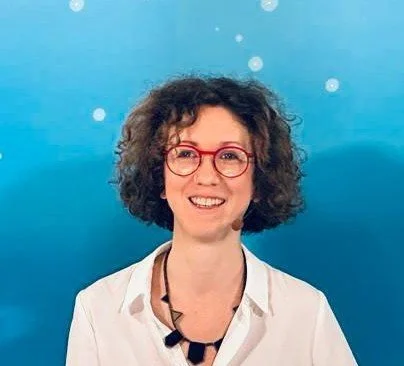
Silvia Cardascia, Global Co-Chair
Silvia Cardascia is a PhD fellow at the Institute of Earth and Environmental Sciences at the University of Strasbourg in France. Her research examines river conservation and governance at the global scale, with case studies in Europe and Mexico. She is interested in how water–society interactions influence policy, regulation, and socio-ecological values. Previously, she worked as a water resources specialist at the Asian Development Bank in the Philippines, where she led investment projects on water resources management, biodiversity conservation, payment for ecosystem services and climate adaptation in China and Mongolia. Before, she served as a research assistant at the University of Oxford and as a UN/DESA fellow and water and sanitation project officer for the Italian Agency for Development Cooperation in Ethiopia. She is also the co-founder of Onewater, a multilingual platform for science communication on water, and she is a member of the IUCN World Commission on Protected Areas Freshwater Specialists Group. She holds an MSc in Water Science, Policy and Management from the University of Oxford and an MA in International Relations from LUISS University in Rome.
-

Dr. Olga Laiza Kupika, Co-Chair Africa Region
Olga Laiza Kupika is an Associate Professor in Natural Resources Management and UNFCCC registered climate change expert and UNESCO Earth Network Volunteer expert. She is a Senior Research Fellow in Climate Change Adaptation at the Okavango Research Institute, University of Botswana. Olga previously served as a Chairperson in the Department of Wildlife Ecology and Conservation & Chairperson for University Research Committee at Chinhoyi University of Technology, Zimbabwe. She is also an alumnus for the African Group of Negotiators Experts Support (AGNES) Cohort IX, a former EU-DREAM scholarship recipient, a Climate Impact Research Capacity and Leadership Enhancement (CIRCLE), Programme and Climate Research for Development (CR4D) Postdoctoral fellow alumnus, both implemented by the African Academy of Sciences (AAS). Her CR4D project focused on “Building adaptive capacity to mitigate impacts of climate change on riparian ecosystem in a semi-arid savannah environment in Zimbabwe”. Olga serves as board Chairperson for Wildlife Conservation Action, Zimbabwe, board member of the Southern Africa Climate Action Network & Centre for Climatology and Applied Research, and she is the lead for the Natural Resources Governance and Institutions (NRGI) petal under the Production and Conservation in Partnerships platform.
-
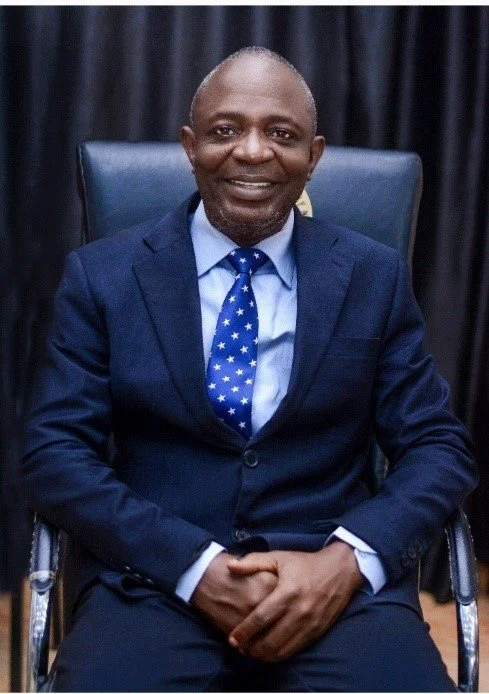
Dr. Adeyemo Adeyemi, Co-Chair West Africa Region
Dr. Adeyemo Adeyemi is a senior lecturer of Environmental Microbiology at Olusegun Agagu University of Science and Technology, located in Okitipupa, Ondo State, Nigeria, West Africa. Over the past five years, his research has primarily focused on utilizing microbial communities to remediate oil pollution in over 150 riverine communities in the state. These communities are constantly being polluted by oil exploration, which is a significant source of revenue for the nation. Unfortunately, this pollution has rendered the land and water in these communities unsuitable for agriculture and drinking purposes. Additionally, he is a civil society advocate who has accumulated more than 15 years of expertise in utilizing a participatory method to enhance system strengthening, conduct institutional analysis, integrate gender issues, design policies, conduct research, and connect with local communities. He possesses tangible expertise, comprehension, and practical involvement in community participation.
-

Sharon Ruthia, Co-Chair East Africa Region
Sharon Nyambura Ruthia, an Advocate of the High Court of Kenya, is passionately committed to advancing gender equality, environmental restoration, and access to justice. With a background in law and a keen focus on marginalized communities, she tirelessly advocates for the eradication of gender discrimination while promoting biodiversity conservation. Sharon has contributed significantly to policy reforms and legislative changes, empowering survivors of gender-based violence, challenging discriminatory laws, and championing equal opportunities in education and employment. As the Chair of the East Africa Region at the Global River Protection Coalition, she leads efforts to conserve free-flowing rivers, collaborating with stakeholders to achieve shared objectives. With extensive experience in legal research, advocacy, and policy development, Sharon is recognized for her dedication to creating a more equitable and sustainable future for all.
-
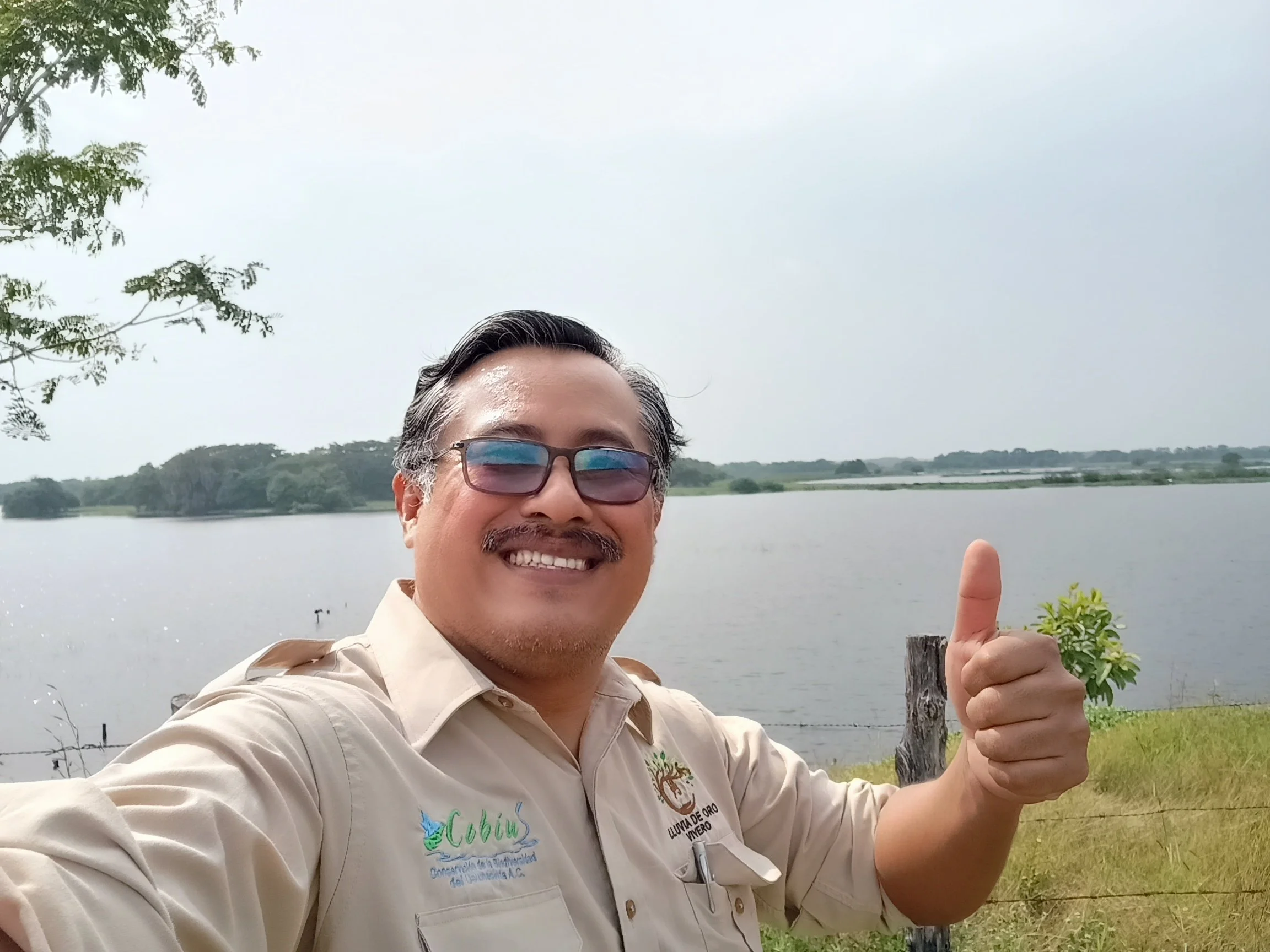
Dr. Gilberto Pozo Montuy, Co-Chair Latin America Region
Dr. Gilberto Pozo Montuy is a biologist with extensive experience in the conservation of endangered species and the restoration of ecosystems in southeastern Mexico. He has led efforts to protect manatees, primates, jaguars, tapirs, otters, and green macaws, applying integrated approaches that combine science, participatory management, and adaptive management of natural habitats.
As founder and director of COBIUS A.C., he heads the Guardians of the Rivers program, an ecological restoration and climate resilience initiative that engages rural and urban communities in the recovery of degraded riparian zones in the Grijalva-Usumacinta Basin. This effort includes reforestation with native species, control of invasive species such as the devil fish, use of biofertilizers, participatory monitoring, and environmental education.
He has promoted innovative models of circular economy and climate change adaptation, integrating conservation processes with sustainable local development strategies. Their vision links biodiversity conservation with community empowerment, promoting nature-based solutions that generate both ecological and social benefits. Their work has been a benchmark in the implementation of comprehensive conservation projects with a territorial focus and a commitment to climate justice.
-
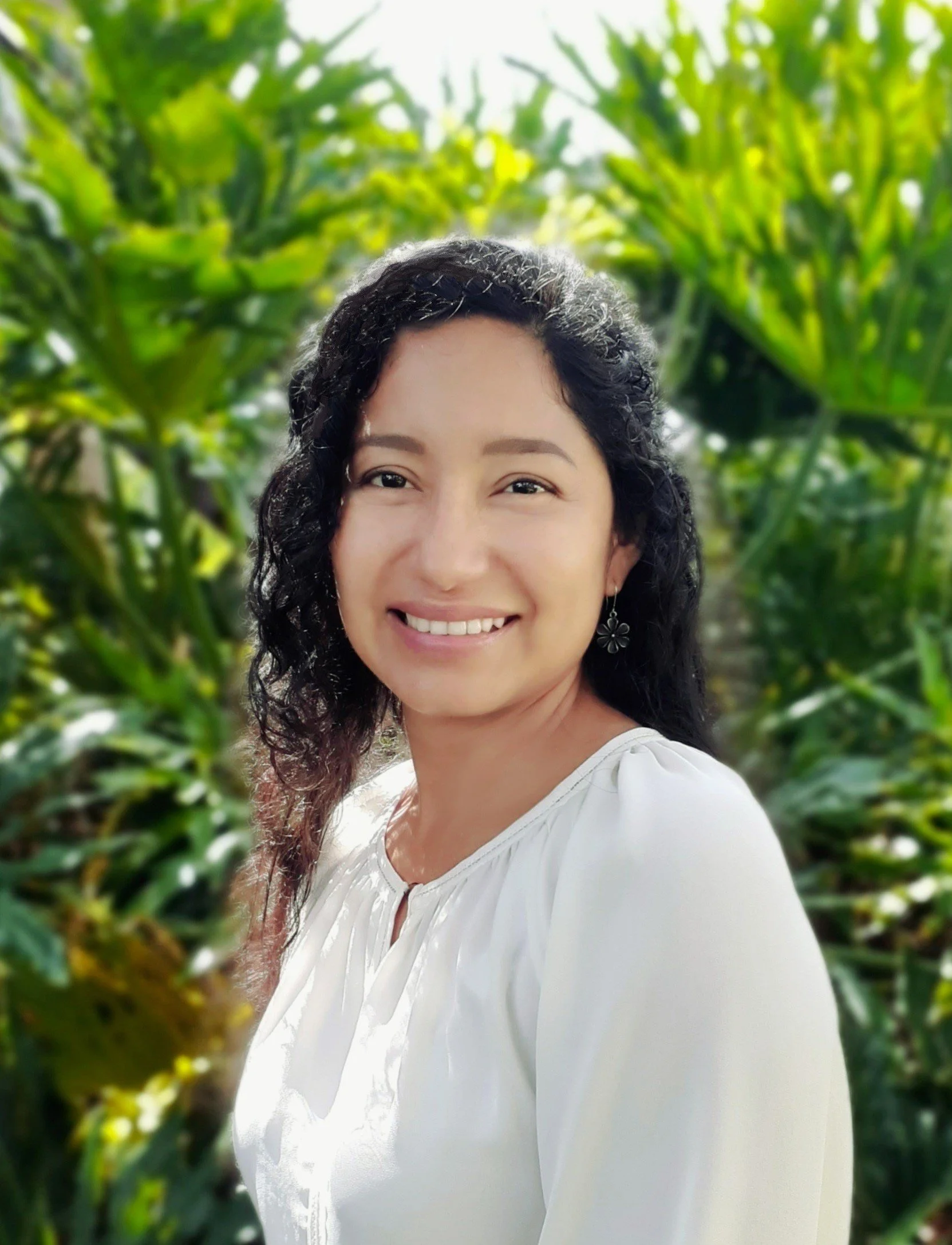
Vanessa Correa, Co-Chair Latin America Region
Vanessa Correa is a freshwater ecologist and conservationist born and raised in the Peruvian Amazon. She has extensive experience in scientific research, big data management, project implementation, and stakeholder coordination. Vanessa holds an M.S. from the University of Central Florida, where she specialized in fish ecology, and a degree in Biology from the Universidad Nacional Mayor de San Marcos in Lima, Peru, with a focus on freshwater biology and fisheries.
With professional experience spanning seven countries across the Americas, Vanessa has supported leading conservation, government, and research organizations. Her work has included leading scientific expeditions, conducting environmental assessments, coordinating community-based monitoring programs with Indigenous and local communities, and serving as a Communities of Practice Manager for an international NGO. Vanessa has held several leadership roles, including Co-Chair of the Global River Protection Coalition (GRPC) and Vice President of the Organizing Committee for the First Peruvian Meeting of Ichthyology and Aquatic Ecosystems.
She currently serves as an Environmental Scientist with the State Water Resources Control Board, in California, and as Co-Chair of the Latin America Subcommittee of the Global River Protection Coalition. -
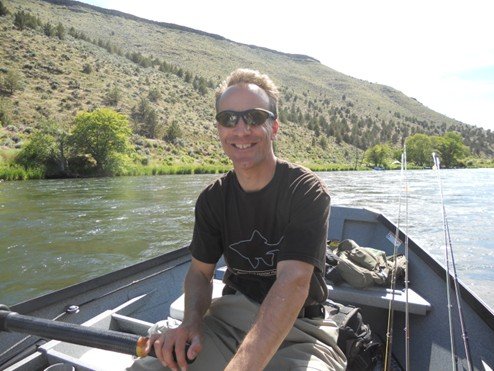
Dan Shively, Co-Chair North America Region
Dan retired February 2025 after 35 years in fisheries and aquatic conservation with the U.S. Forest Service and U.S. Fish and Wildlife Service, working at the local, regional, national, and international levels. His background and expertise include climate change assessment, adaptation, and strategy development for freshwater systems and forested landscapes; fish and aquatic organism passage; fish habitat partnerships; freshwater biodiversity assessment and conservation; hydroelectric dam removal and relicensing; native fish and endangered species conservation, recovery, and reintroduction; river restoration; strategic natural resource conservation planning, prioritization, and policy development; and wild and scenic river management. Dan also has extensive knowledge and experience working with tribal governments across the United States, as well as many industry sectors; non-governmental organizations; and local, state, and federal agencies and officials. Dan grew up in the Pacific Northwest where he enjoys being outdoors and on rivers, fishing, hiking, and birding. He also enjoys cooking, reading, music, community service projects, traveling, and spending time with family and friends. Dan and his wife, Rachel, have five children, ages 31 to 38, and are excited to be first-time grandparents in March 2026.
-

Risa Shimoda, Co-Chair North America region
Risa Shimoda serves as the Executive Director for River Management Society (RMS) in its support of federal and state agency staff, private industry, educators, students, river trails and watershed professionals. RMS programs and initiatives include professional development workshops and trainings through the River Training Center; semi-monthly River Management Roundtable meetups; a River Studies and Leadership Certificate offered at over a dozen colleges and universities; the National Rivers Project, a national geospatial database of U.S. rivers categorized as water trails, whitewater rivers and Wild and Scenic Rivers; summaries of hydropower licenses designed to assist stakeholder participation in the licensing process; and river planning tools such as Prepare to Launch!, River Access Planning Guide and Public Access Guide for Landowners. She co-founded the Outdoor Alliance, Cross Watershed Network, and World River Center, parent organization for the International Whitewater Hall of Fame. She has served on the boards of the Conservation Alliance, American Whitewater, and Nantahala Outdoor Center, USA Freestyle Kayaking Committee, Canoe Cruisers Association and Stanford Asian Pacific American Alumni Club. In serving both work and volunteer initiatives as a leader of non-profit groups and collaboratives, Risa has organized and facilitated meetings between and among both friendly colleagues and adversarial stakeholders that have resulted in forward movement.
-
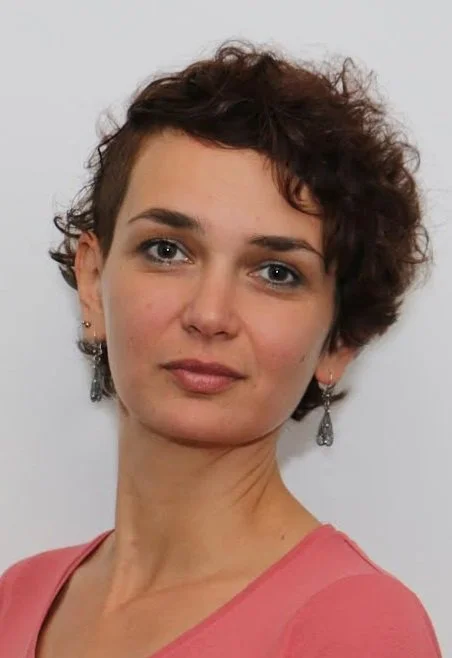
Irma Popovic Dujmovic, Co-Chair European Region
Irma Popovic Dujmovic is coming from Croatia, South-eastern Europe region. She has 20 years of experience on working for non-governmental sector in the fields of policy, advocacy, education, and promotion on different topics like freshwater sustainable management, river conservation, public participation, freshwater species conservation and integrated river basin management. She is a biologist/ecologist by her vocation and since early 2000 she is applying her knowledge and passion for freshwater conservation. She started in a national environmental organization (now FoE Croatia), continued in WWF Adria (regional work as a program officer), from the beginning on freshwater issues, since September 2022 she is leading freshwater work in Croatia for TNC.
-

Ian Harrison, PhD, Co-founder
Ian Harrison obtained his Ph.D. in systematic ichthyology at the University of Bristol, UK. He has conducted research on marine and freshwater fishes from several parts of the world. He is currently the Freshwater Specialist for Conservation International’s Moore Center for Science. He is part of the Steering Committee for the Species Survival Commission (SSC) of the International Union for the Conservation of Nature (IUCN), and co-chair of the IUCN-SSC Freshwater Conservation Committee. He is Associate Director for the Free-Flowing Rivers Laboratory at Northern Arizona University. He is based in Flagstaff, Arizona.
-

Angie Braley, Communications
Angie Braley is a Training Specialist at the Society of Outdoor Recreation Professionals, where she brings a deep passion for collaboration and all things river-related. She holds a Master of Arts in Anthropology and Sustainable Development from Colorado State University, and her work bridges social science, conservation, and outdoor recreation.
Her work has been recognized through a research fellowship with the Center for Collaborative Conservation, a Young Explorers Grant from the National Geographic Society’s Conservation Trust, a U.S. Forest Service Chief’s Award for contributions to the National Wilderness & Wild and Scenic Rivers Skills Institute, and the 2024 Award for Outstanding Support to the Wild and Scenic Rivers Program from the U.S. Forest Service.
Outside of work, she can usually be found rafting with her black lab, deep-sea fishing, or in enthusiastic pursuit of excellent tacos. She is based in Jacksonville, Oregon.
-
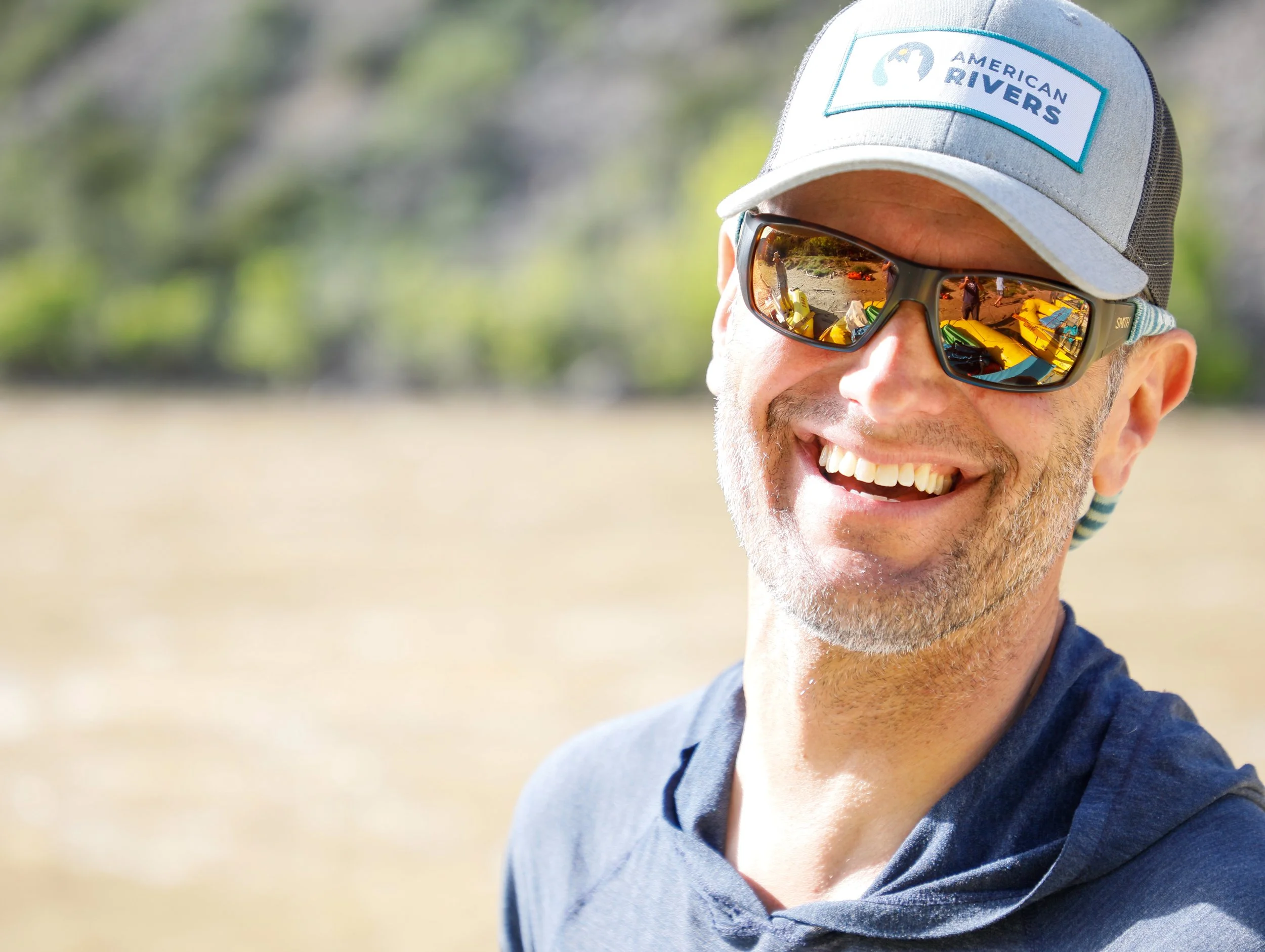
Mike Fiebig, GRPC Leadership Team
Michael Fiebig directs the Southwest River Protection Program at American Rivers, leading efforts to protect the most ecologically and culturally valuable rivers in the Southwest U.S., partnering with Tribes, local communities, NGOs, land managers, and elected officials on place-based work and policy reforms. He is also a Senior Advisor for American Rivers Action Fund. For the past two decades Mike has worked domestically and internationally on conservation, education, and research for institutions such as the U.S. Forest Service, USAID, U.S. Fish and Wildlife Service, NOLS, Winter Wildlands Alliance, IGTOA, and others. His work is informed and inspired by the wildlife and people he has met during hundreds of weeks spent leading expeditions in remote places. Mike has an M.S. in Natural Resources Policy and Conflict Resolution from the University of Montana (2008), a B.S. in Neuroscience and a B.A. in Philosophy from Michigan State University (1997). He lives with his wife and their dog in Durango, CO.